

How to Plan a Luxury, Small Ship Cruise (with a Printable Checklist)

When most people hear the word “cruise,” a specific image comes to mind: a floating city, casinos, midnight buffets, and shoulder-to-shoulder crowds on a deck the size of a football field.
That's the dominant image of cruising in popular culture. But it's not the whole story — not even close!
Small ship cruises (our favorite) are a different world entirely, and we've made it our mission to help travelers discover this phenomenal way to vacation.
Disclosure: This page may have affiliate links, meaning we may earn a small commission if you click the link and proceed with a purchase at no cost to you. We recommend cruises, experiences, products, and services we use. As Amazon Associates, we earn from qualifying purchases.
What Is a Small Ship Cruise?
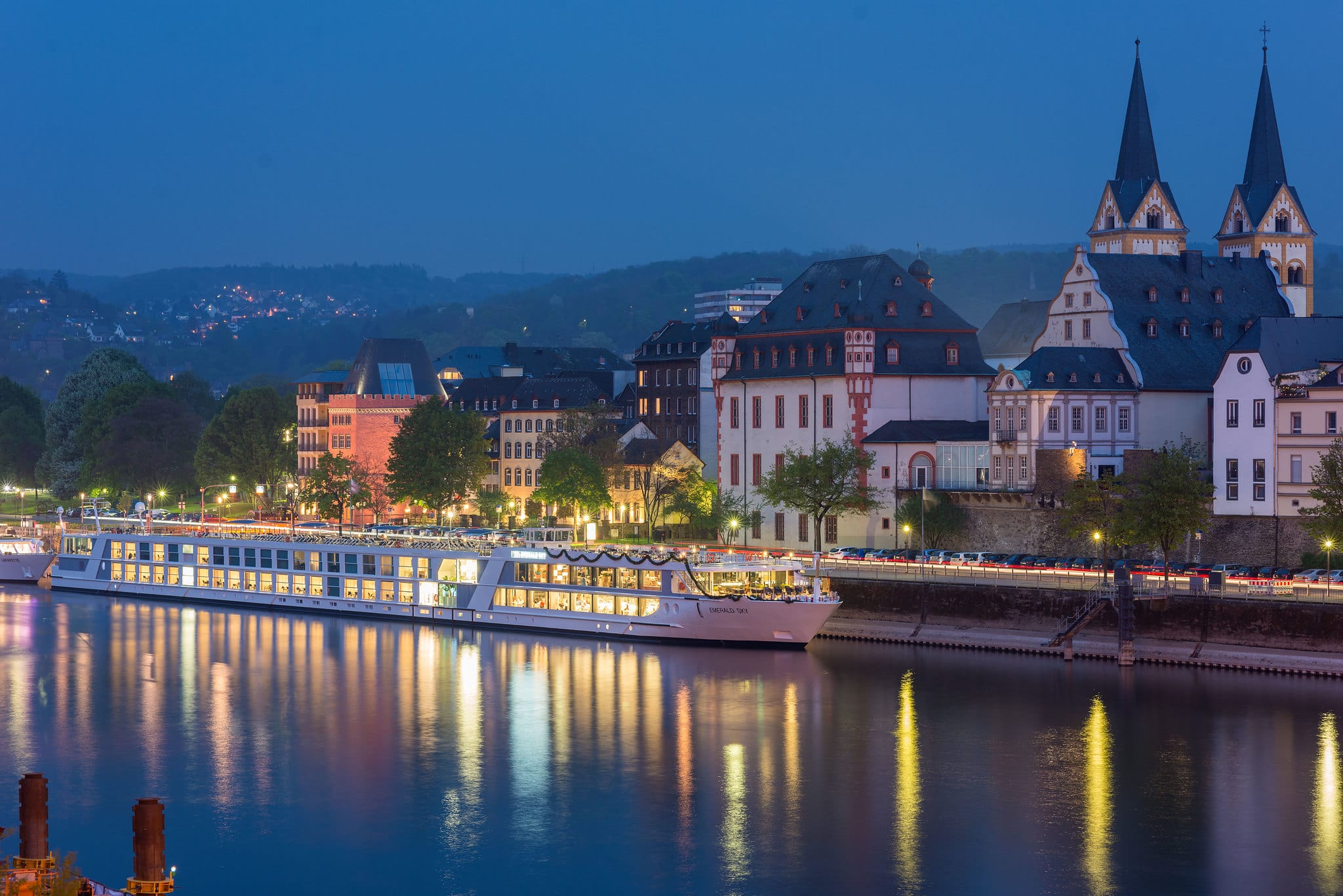
A small ship cruise is on a ship that generally has fewer than 1,000 passengers, though most of our favorites carry 300 or fewer, and some carry fewer than 30 people total, including the crew. This is largely why they're considered a luxury. Small ships have better crew-to-guest ratios and more open spaces for the passengers. Also, due to their small size, these ships can access ports that larger ships simply cannot reach.
One of the biggest misconceptions we encounter is that “small ships” are just another way of saying “river cruises.” This is false. The category is wonderfully varied, and there's something for nearly every type of traveler.
Types of Cruises and Cruise Lines that Are Considered “Small Ships”
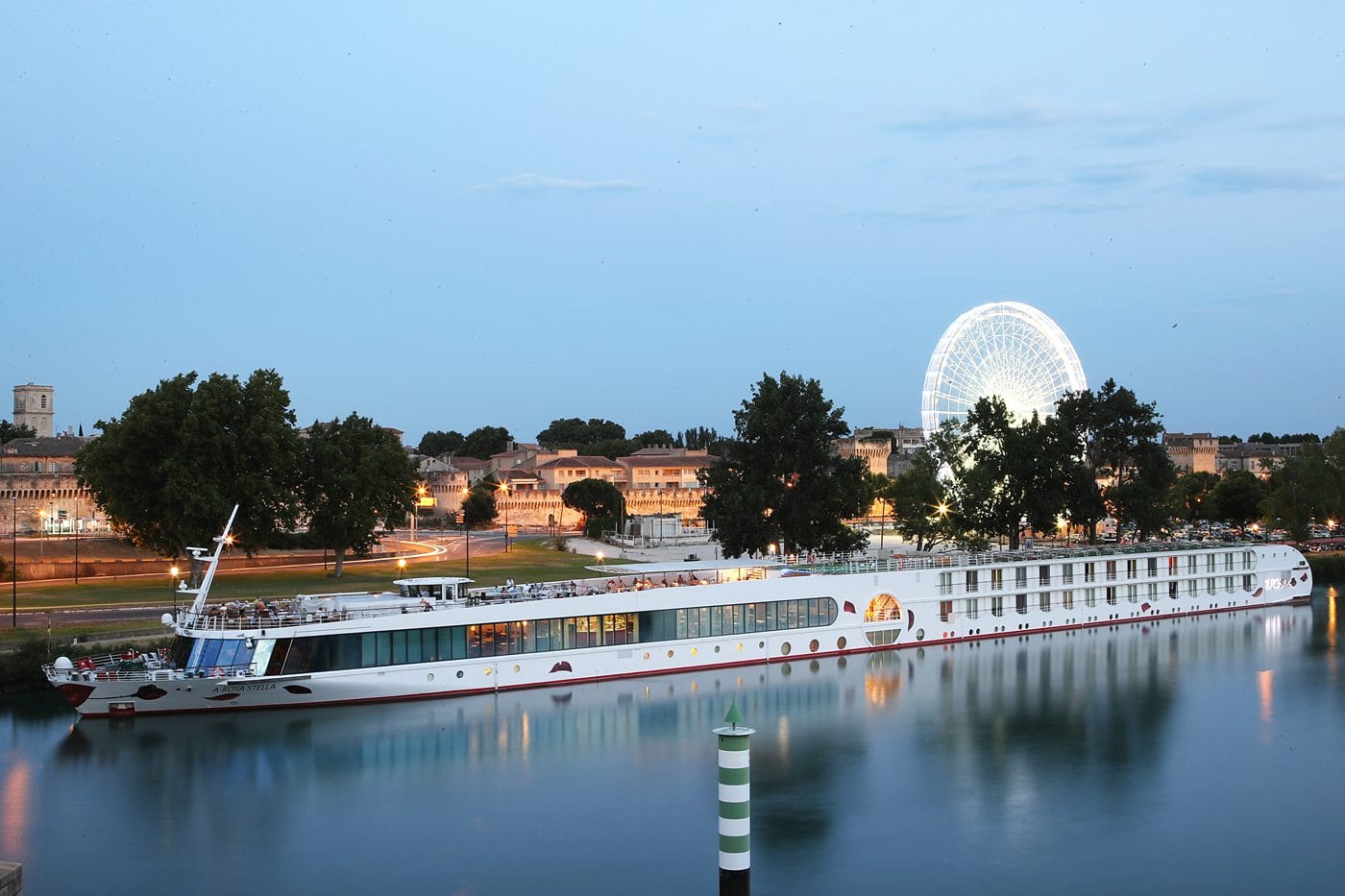
The diversity of the category includes river, yacht, and barge cruises, sailing voyages, and expedition cruises.
Some examples include:

Listen to our interview about small ship cruises on The Thought Card podcast
Mikkel dove deep into small ship cruises with Danielle Desir Corbett on her podcast, The Thought Card. Listen here:
How Small Ship Cruises Are Different From Large Ships
The differences go beyond just passenger count.
For starters, casinos are largely absent on small ships. So are the elbow-to-elbow crowds. Generally speaking, embarkation is a breeze compared to the waiting times and long lines you experience on ocean ships.
On a small ship, the ratio of guests to space is perfect — there's a lot of room for not a lot of people, and ships never feel crowded.
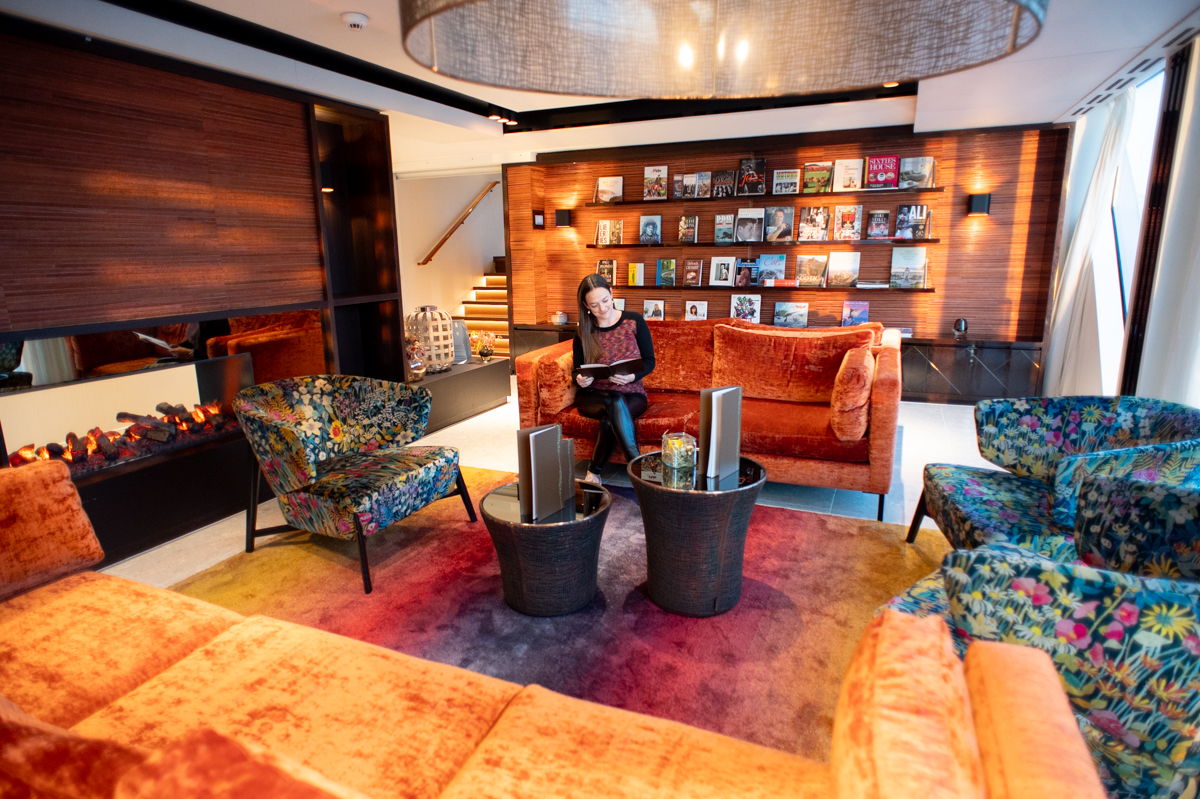
Dining is elevated, too. Buffets exist, but they're a far cry from the free-for-all you might expect. Almost always, a buffet option is paired with a menu at the same dining venue. You have choices, and the quality is noticeably higher. The presentation is on a smaller scale yet elevated.
The experience overall is more personal, more intentional, and more pleasant whether you're on a river winding through European wine country or anchored off an uninhabited island somewhere tropical.
Our Favorite Small Ship Cruise Experiences
If we had to name a standout, Hawaii with UnCruise Adventures is near the top of the list.
We sailed with just 15 other guests aboard a 36-passenger ship, alongside a small, dedicated crew. There's something profound about experiencing the Hawaiian Islands in that kind of intimate setting. We moved in harmony with the ocean and the land rather than overpowering it. The moments of swimming with marine life like sea turtles during that cruise, and eating wonderful fresh dishes in the small dining area with other guests, remain vivid.
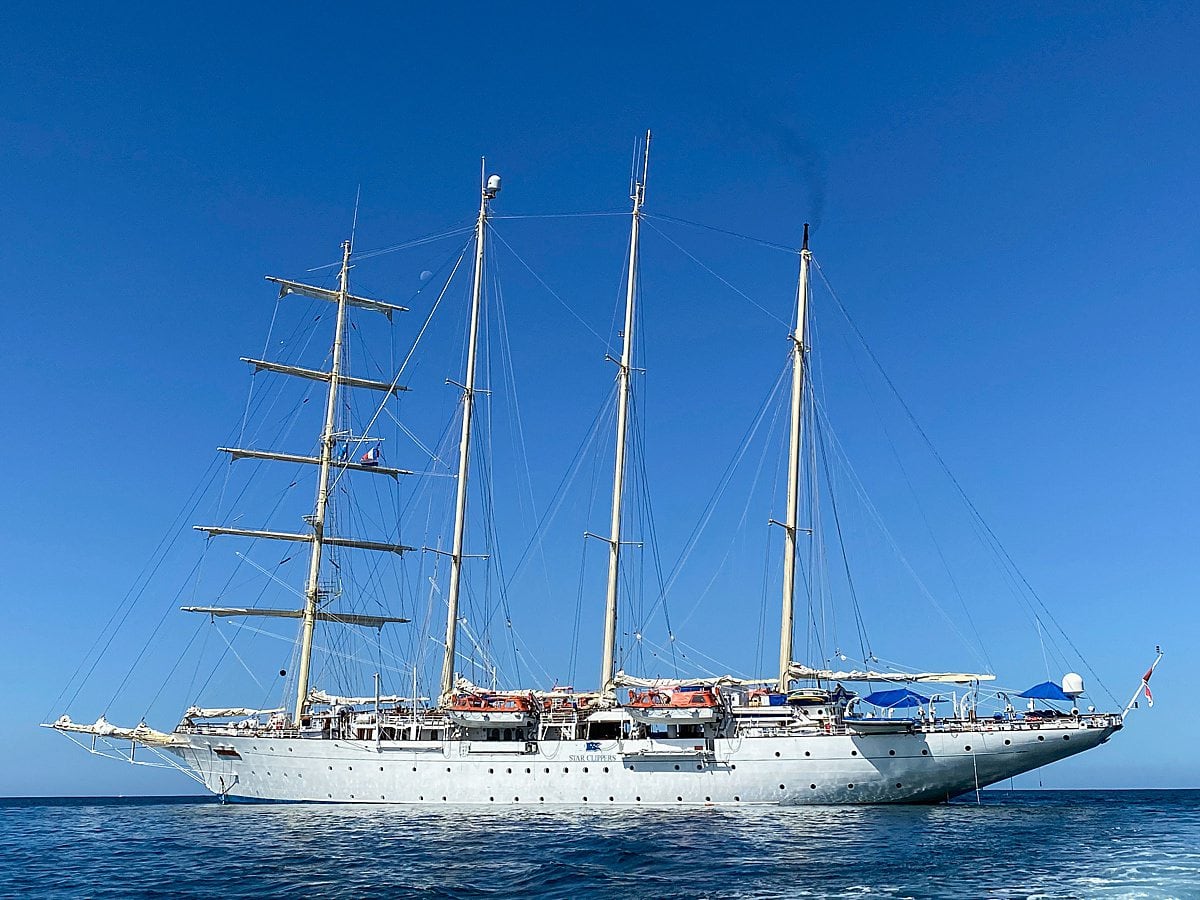
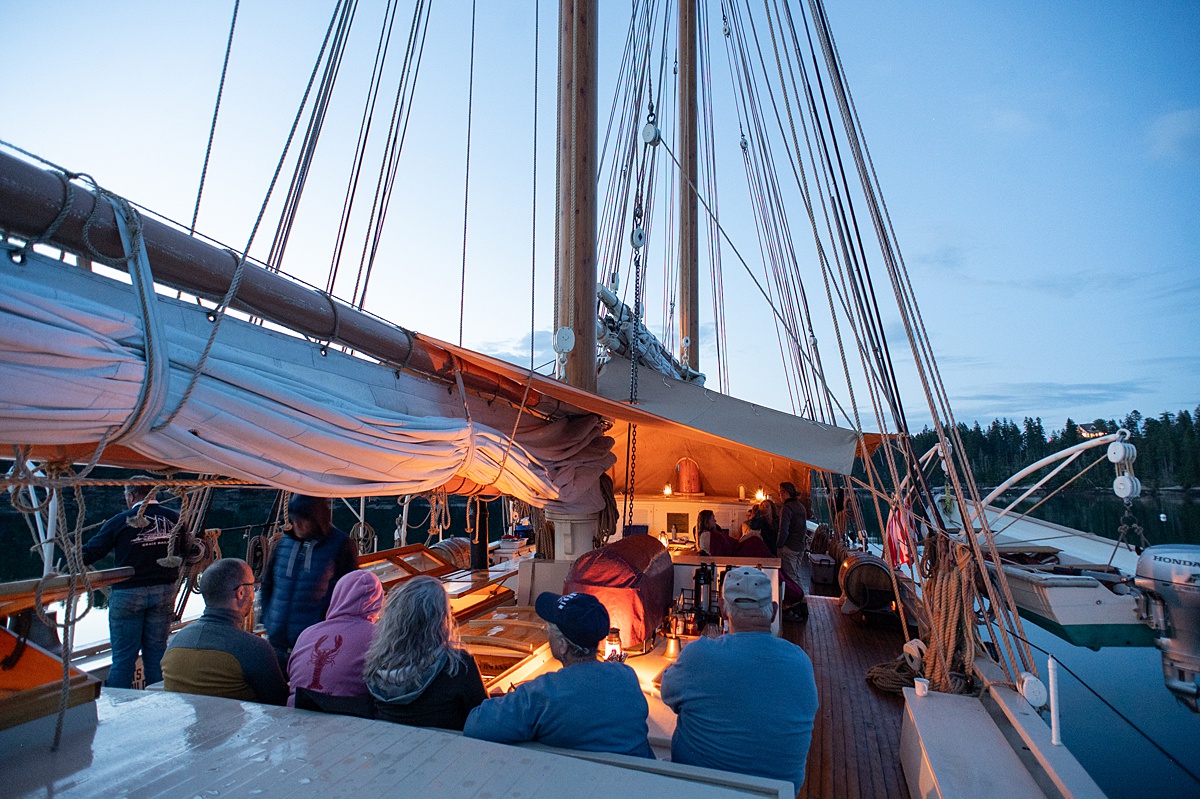
We also deeply love cruising Maine's coast with Maine Windjammer Cruises, where the entire vessel carries fewer than 30 people, including the crew. Being on a multi-masted ship with manually-operated sails and no set course to chart is such a different experience than river cruising or yacht cruising.
Our experience cruising along the Mediterranean coast with Emerald Azzurra was phenomenal. With just 98 other passengers besides us, we felt we had whole areas of the ship to ourselves at times. The handmade pastas we had on the ship felt in tune with the Italian coastal cities we were visiting, like Taormina and Naples, and arriving at a port in a yacht felt very rock-star without the price tag of owning our own vessel!
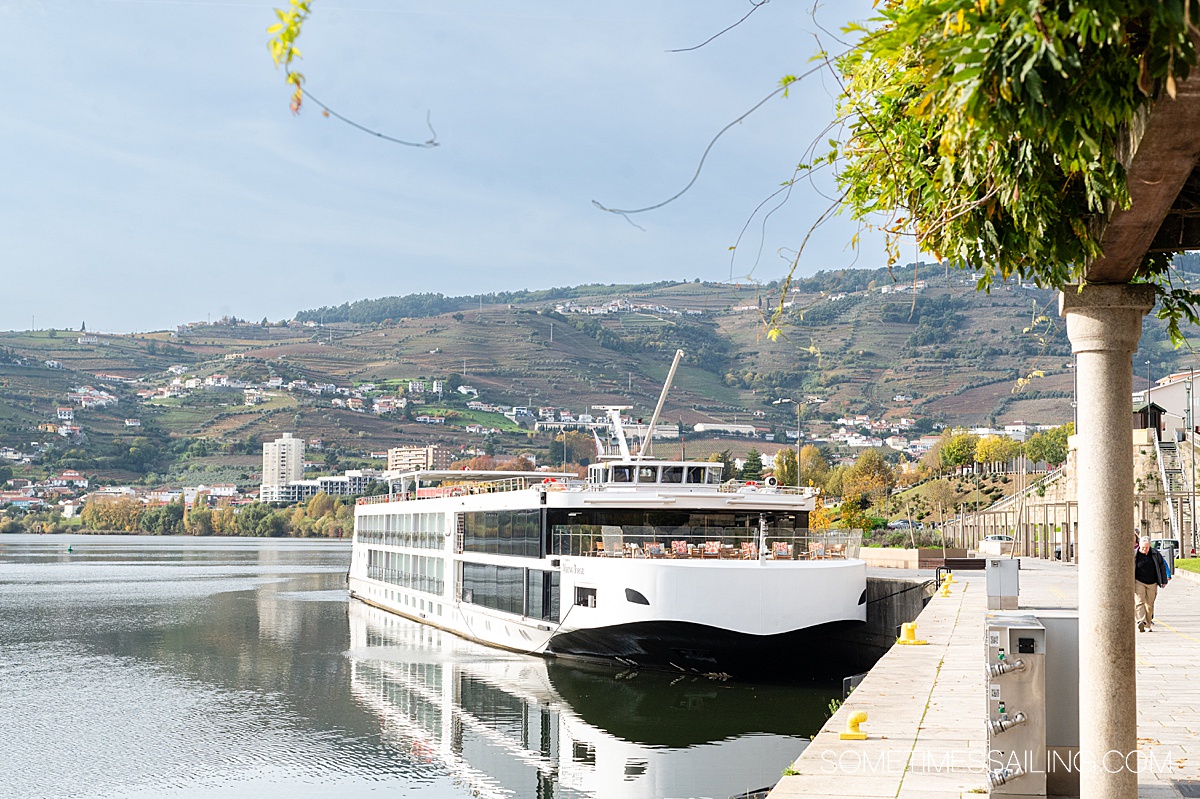
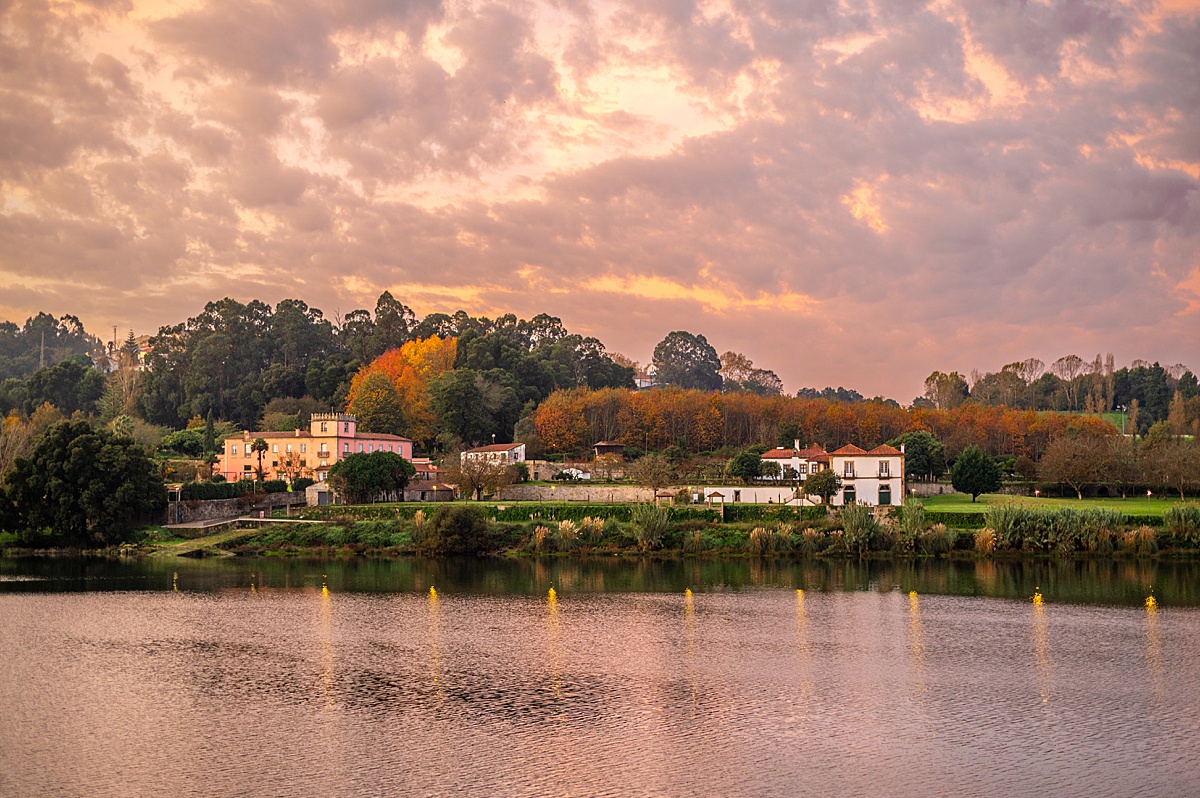
The last ones we'll mention here are our river cruises on the Douro River and Mekong River. They were two completely different experiences: one in Portugal, in Europe, and the other in Cambodia and Vietnam, in Asia.

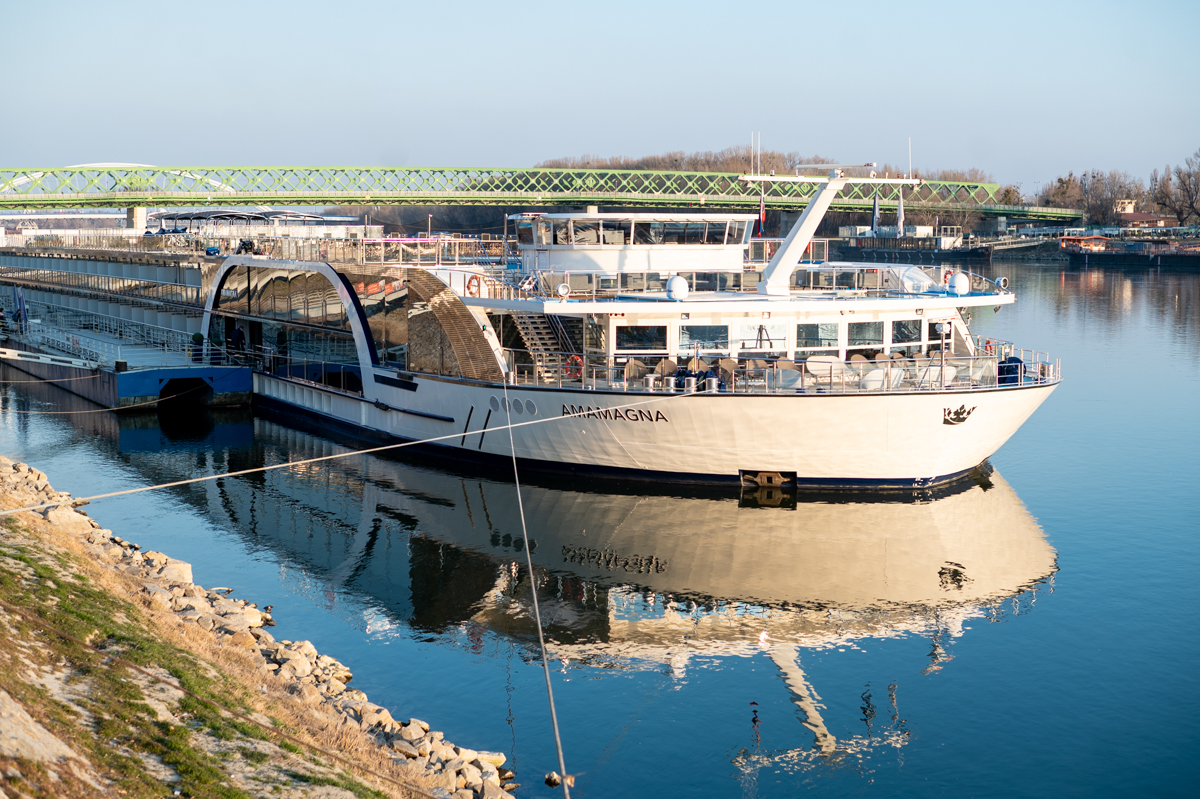
The Douro River was romantic in a small-country kind of way (as Portugal is). There was an indescribable romance to the itinerary, cruising east and west on the small river that can only be navigated during the day. The Mekong River brought Southeast Asian culture to us. We particularly loved the food on the AmaDara river cruise ship and the warmth of the Vietnamese crew and the Cambodian people we encountered in the country.
We have had so many wonderful small ship cruise experiences, it's hard to choose just a few to highlight. If you're interested in hearing about our experiences in more depth, tune into our podcast, Small Ship Cruise Talk, and subscribe and turn on notifications on our YouTube channel, @sometimes-sailing.
Are Small Ship Cruises Worth the Cost?
It's fair to say that small ship cruising comes with a price tag. But you also have to keep in mind that, if you're comparing it to ocean cruises, small ship cruises generally include more. Most of the cruises named here include alcohol, WiFi, and excursions. That's not the case on big ships, which offer upgrades galore from drink and WiFi packages to à la carte excursions.
When you start adding up what gets nickel-and-dimed on a larger ship, the value picture shifts considerably. Small ship cruises generally start with pricing around $4,000 per person for a one-week cruise and go up from there. Prices fluctuate as they do with any vacation, depending on your dates, the itinerary, the region of the world, what fuel prices are and how that affects airfare, etc.
Find out how to budget for a dream cruise in a year or less by listening to our podcast episode or watching it:
The same logic applies when you're comparing a small ship cruise to a land-based vacation — more is bundled into the investment, and that matters.
If you compare it to something like the cost of a Walt Disney World vacation…well, a small ship cruise is likely to cost less depending on how many days you plan on visiting the theme parks and what hotel you stay at!
Small ship cruises offer more space per guest, better crew-to-guest ratios, and more personalized service, all of which factor into the fare.
The bottom line that is important to take into consideration: small ship cruises deliver more than the sticker price suggests.
Things to Be Aware of When Researching Small Ship Cruises and Cruise Lines
Not all small ship cruise lines are created equal, so knowing what to look for makes a difference. Let's call these green flags and red flags.
🟢 Green flags to look for when planning a cruise
- Excursions included in the fare: This is one of the most important things to confirm upfront
- Gratuities included: We love when they are because we feel it's a sign the cruise line values transparency and reinforcement that there won't be any surprises.
- Alcohol or a beverage package included: Not universal, but a meaningful value-add when it's there. Most (but not all) small ships include beer and wine with lunch and dinner, at the very least.
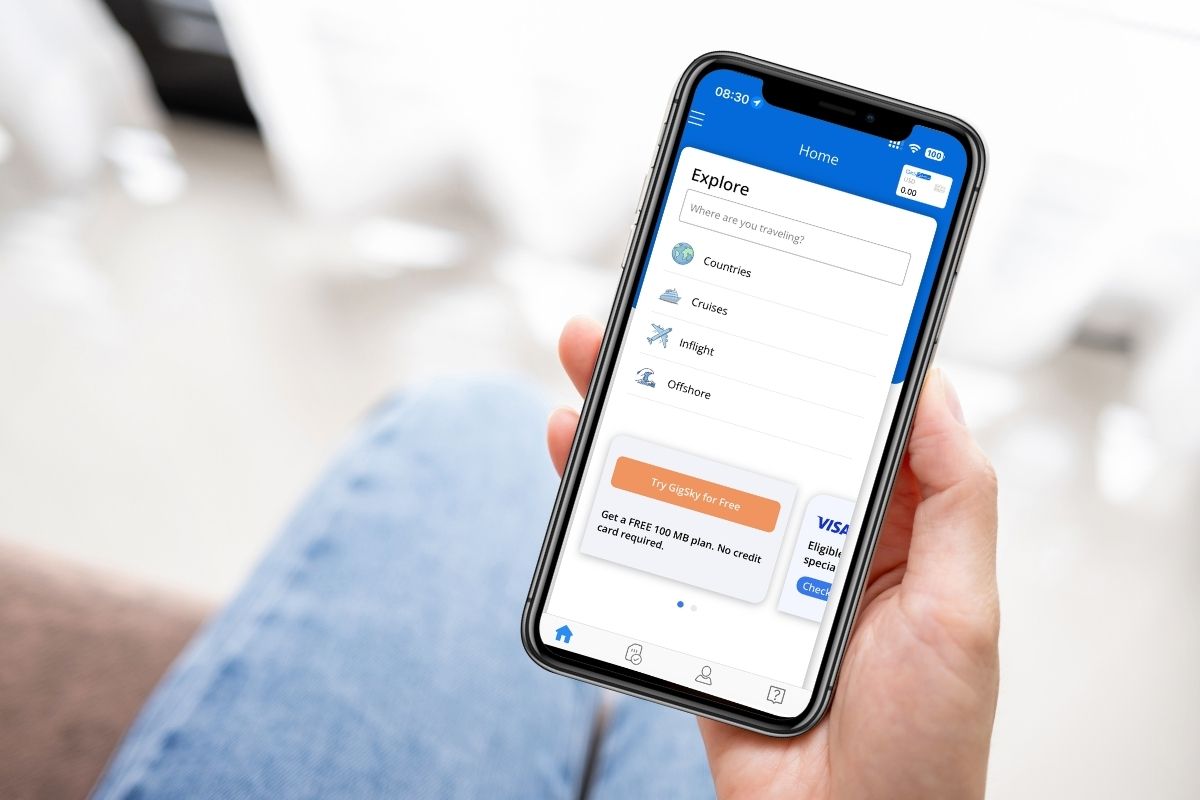
- WiFi included: This is increasingly standard on small ships, but always worth confirming. We have found that Starlink is the best and strongest WiFi on ships. For land, we always take our hotspot because we can connect multiple devices at once.
- Small group sizes for excursions: On a small ship, the crew isn't herding 100 people off the ship at once, which makes for a completely different experience on the ground.
- Access to destinations large ships simply cannot reach: This is one of the most underrated advantages of small ship cruising. In Reykjavík, Iceland, for example, we sailed with Windstar and docked within walking distance of the city center. Larger ships — even Viking Ocean — anchor or dock farther out, adding extra time and logistics to simply get into town. But as we noted here, the ship size matters. The difference between a large ship with 3,000+ passengers, versus a small ship with 900 passengers (Viking Ocean) vs. a ship with 300 passengers (Windstar) makes a difference. Be aware of this when choosing your cruise, depending on where you are going.
- Expedition staff and onboard experts: There are often naturalists, historians, wildlife guides, and other specialists who sail with you on small ships and enrich every destination you visit. Inquire as to whether or not the cruise you're interested in has this.

Red flags to watch for when cruise planning
- Gratuities not included: These can add up quickly and significantly increase the total cost of your trip. It's not a deal breaker, but make sure you know what gratuities will cost if it's not already in the cruise fare. (It's usually 5-10% of the cruise cost.)
- Fuel surcharges: This is a big one. Read the fine print carefully about how the cruise line handles fluctuating fuel costs. Some lines pass those increases directly to guests, while others absorb them. For example, Swan Hellenic recently announced they would eat the cost of fuel price changes for guests on select itineraries, which is a meaningful gesture, and the kind of policy that signals how a cruise line treats its customers. Know where your cruise line stands before you book.
- Shore excursion costs in pricier destinations: If excursions aren't included, this can get expensive fast. Destinations like Alaska and Scandinavia, in particular, can carry significant add-on costs. Know what's included before you book, and price out the extras if they're not.
- Solo supplement fees: If you're traveling alone, understand exactly what that fee is before booking. It varies widely by cruise line and can dramatically change the overall cost. Some small ship cruise lines will run “No Solo Supplement” cruise specials once in a while.
- Ship age and condition: Check reviews specifically about the vessel itself, not just the itinerary. Whether the ship is old or new, find out when it was last refurbished. A well-maintained older ship can be wonderful; an aging ship that hasn't seen updates in a decade is a different story.
- Vague or automatic drinks packages: Think carefully before paying for one. If you'll be onshore on excursions most mornings and afternoons, and you can bring a bottle of wine aboard to enjoy in your cabin, a drinks package may not make financial sense. We tend to buy à la carte and/or bring a bottle of wine onboard for our stateroom, especially on river cruises. That works just fine for us. We don't drink enough alcohol to make a drinks package worth the cost.
Always read the fine print and know exactly what's included before you book.
How to Find the Best Small Ship Cruise Deals
Finding a great deal on a small ship cruise is possible if you know where to look.
Sign up for newsletters
Our number one tip is to sign up for newsletters:
- Ours: Easily sign up by getting this free printable for assistance deciding which cruise to book.
- Cruise lines: Flash sales and early booking offers almost always go to email subscribers first.
Travel during shoulder season
Shoulder Season is the window of time between peak travel periods, when prices dip, and ships are less full. You still get a great experience — sometimes an even better one — for a lower fare.
These times are typically right before Easter and Spring Break, like in March or April (depending on when Easter is that year) or in late October or November, before Christmas events and markets begin.
Don't assume something is out of your budget
This surprises many people, but a yacht cruise can cost the same as a river cruise. The variety within small ship cruising is wide, and prices vary more than you'd expect.
Work with our preferred travel agents who specialize in small ships. A good agent can find availability and value that's hard to track down on your own.
Extend your trip with a land portion. Since you're already traveling somewhere remarkable, adding a pre- or post-cruise land itinerary makes the most of the journey. We create custom cruise vacation itineraries specifically for travelers who need advice and assistance extending beyond the water. We love helping build out those add-ons that can help you find activities suited to your travel style and budget.
Are Small Ship Cruises Only for Older Travelers?
Historically, this market skewed older. But that's quickly changing.
Younger travelers are catching on. People are traveling more intentionally, prioritizing rich experiences over checklist tourism, and increasingly choosing not to have children (like us), which affords greater freedom to travel in meaningful ways.
Small ship cruising fits that mindset perfectly!
It's a big part of why we started Small Ship Cruise Talk, our podcast dedicated exclusively to this style of travel, along with our YouTube channel and this website. We want to reach travelers at every stage of life, not just those who've been planning this trip since retirement.
Why wait to have the best travel experiences of your life?
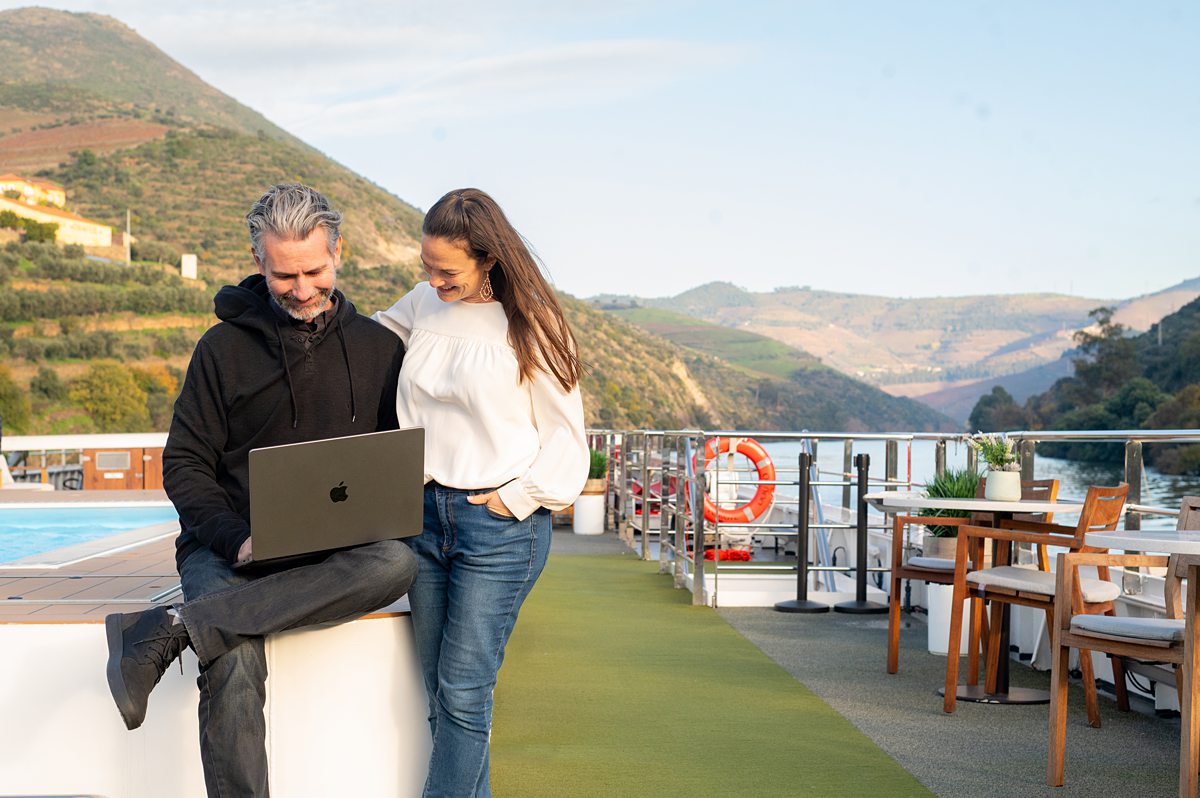
Start Planning Your Small Ship Cruise
Small ship cruising isn't a niche for a certain type of traveler. It's a category of travel that rewards curiosity, values experience over spectacle, and delivers far more than most people expect.
If you're ready to explore, we'd love to help. Subscribe to our newsletter, tune into the Small Ship Cruise Talk podcast, and reach out — we're happy to point you in the right direction.